Recovering Data from HDD

Learn effective methods for data recovery from HDDs. Discover expert tips and tools for successful data retrieval from hard disk drives.

  • |
  • |
  • 5 min. Reading |

In the first article called “How SSD Drives Permanently Erase Deleted Data” we described the reasons for SSD drives to erase your data permanently as soon as you erase a file, quick-format the disk or delete a partition. Sounds scary, doesn’t it? However, this is not always the case. More often than not, your files will still be there on the SSD drive, ready to be recovered. Let’s see when this happens.

In the last series consisting of two articles “How Data Recovery Works” and “How Carving Works”, we looked at how Windows deletes files and how information is left on the hard drive and not automatically erased or overwritten. Well, this is not always the case with SSD drives. In this article we’ll see why.

This post continues series of articles about the internal mechanisms of today’s data recovery tools.

In “How Data Recovery Works”, we looked at how file recovery tools can recover deleted files by using the file system. But what if the file was deleted a long time ago, and its file system record no longer exists? Or what if the disk was formatted or repartitioned and the file system is empty or missing? Finally, what if the file system is overwritten by another file system (such as that used by Linux or Ubuntu if you experimented with an alternative OS)? If this is the case, traditional file recovery tools will fail to recover anything.

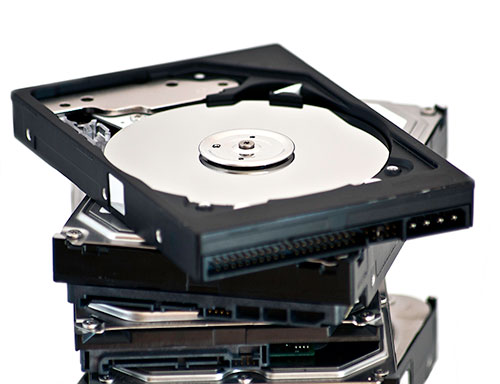
Dealing with missing information on a daily basis, we often have customers who are stuck with a non-bootable computer. This can easily happen if a system disk drive gets damaged, corrupted or simply wears out. This always comes as a shock to normal computer users, especially if the failed PC is their only computer. Every time we have a call like that, we try to help the customer calm down, explaining them the necessary steps to get their files back. In this article, we’ll tell exactly what to do if you encounter a non-bootable PC and want to fix it at home.

A file system is used to index and organize files on the disk. Records in the file system point to exact location(s) on the disk containing information that belongs to a certain file. Different file systems organize files differently. This article discusses the recovery of FAT (File Allocation Table) file systems, which includes the original FAT, FAT16 and FAT32.

It is well known that in case of any destruction of the logical disk file system structure, the operating system and all programs accustomed to clear and slim structuring begin to experience difficulties in determining the file system type. In such cases, the RAW file system occurs.

In this article, we will discuss the main causes of RAW file system, as well as methods of its fixing.

Online Chat with Recovery Software