Recovering Data from Hard Drive

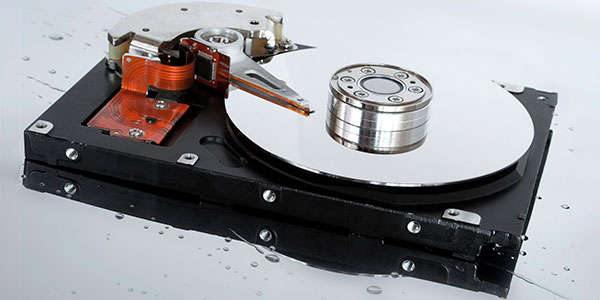
Recover deleted files from hard disk

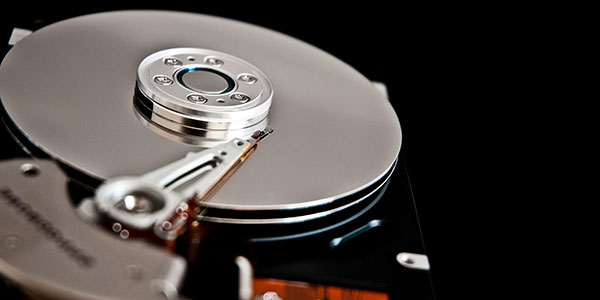
In the previous article, we discussed the speed benefits of disabling the Automatic Acoustic Management (AAM) feature of your magnetic hard drive. However, there are additional methods available allowing you to speed up your storage subsystem even more. Coming from a data recovery company, our tips are not only safe to use, but can actually improve your storage reliability in the long term. Let’s start!

Wait a second… is it possible to make the hard drive work faster, or are we just talking about software optimizations? In fact, you can make your hard drive more responsive on a hardware level. Combined with software optimization techniques, this can help you gain a significant amount of extra speed out of your existing system. So let’s begin!

What should you do if you delete one or more files from a laptop? What happens if you accidentally format the internal hard drive, or if an experimental OS ruins your Windows partition? How do you restore the system to full operation and get your files back? We’ll try to find out in this paper.

  • |
  • |
  • 7 min. Reading |

Working in data recovery business, we hear all sorts of stories with one thing in common: in the end, the data is lost. What are the most common factors contributing to the loss of data, and how one can protect themselves against such a loss? Read along to find out.

Data compression and encryption are like fashion: they get popular one day, and lose their perceived importance the other day. The cycle repeats itself regularly. Today, data encryption is trendy, while real-time compression is once again out of fashion. Let’s see what types of encryption (and compression) are available to a Windows user, and what you can do if you lost data that was compressed or encrypted.

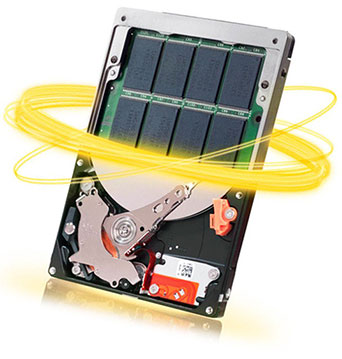
With the advent of ultra-fast SSD drives, nearly everyone was toying with the idea of replacing their big, loud and power-hungry hard drive with a slim and silent SSD. The extremely high speed of SSD drives is, however, countered by their high cost per gigabyte of storage, which in term limits the practically affordable maximum capacity of such disks to between half a gig and one gigabyte (as of mid-2015).

Online Chat with Recovery Software