RecoverySoftware’s Blog – Page 9

Discover effective methods and step-by-step guides to recover data from your devices. Stay ahead of the game with our advice on retrieval data or storage security.

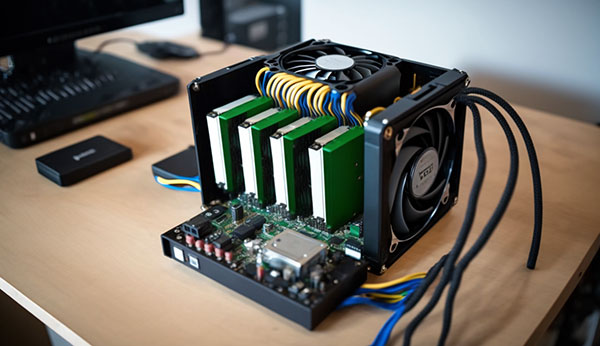
One of the most pressing issues of today in the IT field is data storage, which involves information security and multi-user access. To solve this issue, there are SAN and NAS systems. What is a NAS, what purpose does it serve, what opportunities does it provide? Is it worth buying a ready-made device or assembling one yourself? How to build a NAS on your own?
TrueNAS is one of the most optimized operating system for NAS, which was known before as FreeNAS. It is a free operating system, that can be used on the NAS assembled by yourself. The main advantage of the TrueNAS operating system is the ability to work with the modern and productive ZFS file system. In addition, the True NAS can realize the unique RAID configurations like RAID-Z and RAID-Z2. But how to install the TrueNAS? How to setup it to your basic requirements? How to connect NAS on Windows PC?

How to recover the files deleted by Avast antivirus? What to do if Avast has blocked the program, how to unblock it? Often the Avast antivirus deletes files - it can be personal data or program executable files, declaring them as threats. But what to do if these files and applications are not threats but Avast blocks them by mistake? How to restore the data from the antivirus quarantine? How to recover the data if they were deleted by the antivirus? Let's look into these and other questions.

The RAID 5 array is quite widespread since it is unpretentious, fast, and reliable. But despite all the advantages of this configuration data loss still sometimes happens. In this article, we will consider the main causes of RAID 5 failures, and analyze how not to lose important information in the case of an array failure.

Virtual machines are becoming increasingly popular for all common purposes. Developers use virtual machines to make, test and debug applications, while many home users employ virtual machines to run alternative operating systems (such as Windows on Mac computers or Ubuntu on Windows computers). Virtual machines are very common in the Web hosting industry.