Recovering Data from Server

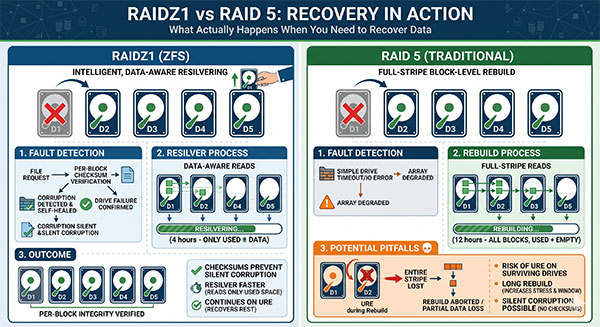
When someone contacts a data recovery specialist about a failed array, the answer to "which RAID level is it?" shapes everything that follows. RAIDZ1 and RAID 5 share the same fundamental idea — distribute parity across disks so any single drive can be lost without data loss — but they behave quite differently under stress. Those differences become very concrete once you're staring at a degraded array. This article focuses on what the architectural differences mean for failure probability, recovery difficulty, and which tools actually work in each case.

Virtual Machine Disk (VMDK) files are at the core of VMware environments, storing entire virtual machine data including the operating system, applications, and user files. When a VMDK becomes corrupt, deleted, or inaccessible, the virtual machine may fail to boot, putting critical business data at risk. For IT admins, system engineers, and even individual users running VMware Workstation, ESXi, or Fusion, having a reliable VMDK recovery tool is essential.

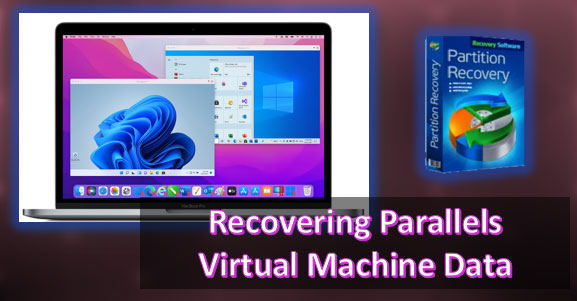
How to Recover Data from Parallels Virtual Machines if the data is lost due to accidental deletion or software failure? How to transfer data from a Parallels virtual machine if it is damaged and cannot be restored? In the first case, data recovery software might be the only solution. In the second case, you can try to take some steps to revive the machine. If this proves impossible, the same data recovery programs with special functionality—support for virtual hard drives—can help.

How to Create a Hardware RAID on a Motherboard? Each motherboard manufacturer has its own BIOS interface and functionality, which means the procedure can vary. However, the core operation of hardware RAID using a motherboard is determined by the disk array implementation technology. There are implementations from both Intel and AMD.

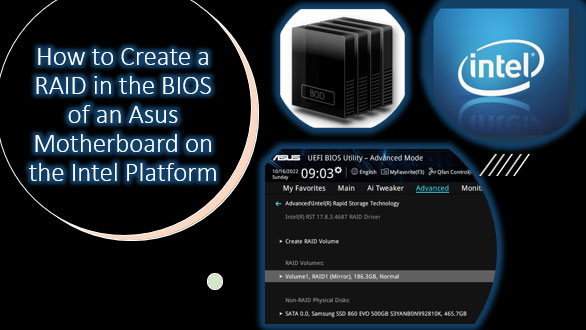
In this article, we will take a detailed look at the implementation of RAID in the BIOS of an Asus motherboard on the Intel platform – how to create a RAID, what to do if you encounter issues, and how to remove it.

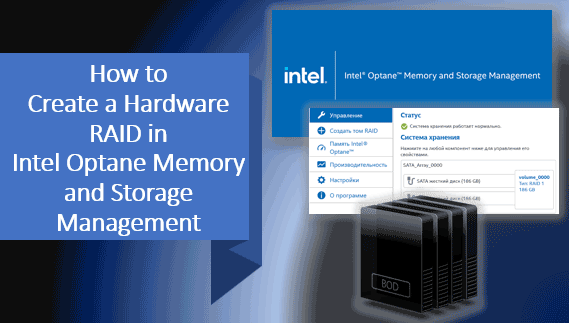
How to Create a Hardware RAID on an Intel Platform, i.e., on a computer with an Intel processor and motherboard chipset? This can be done using the BIOS tools or by using the Windows application Intel Optane Memory and Storage Management.

Below, we will explore how to create a RAID using this program, how to recover it in case of degradation, and how to delete it. But first, let's discuss the technology behind Intel's hardware RAID implementation - Intel Rapid Storage.

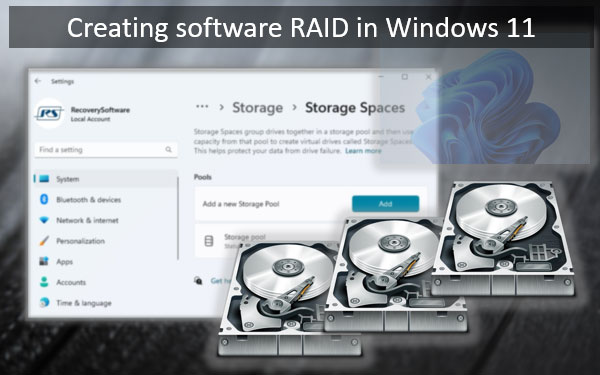
Windows 11 natively supports the creation of software RAID. And for these purposes, it has various tools in its arsenal. One of them is the Storage Spaces feature. In Windows 11, this feature, in addition to the existing classic implementation, has received a new implementation in the modern WinUI system interface. With better usability. And with some functional improvements. How to create software RAID in Windows 11 using Storage Spaces in the WinUI interface?

Online Chat with Recovery Software