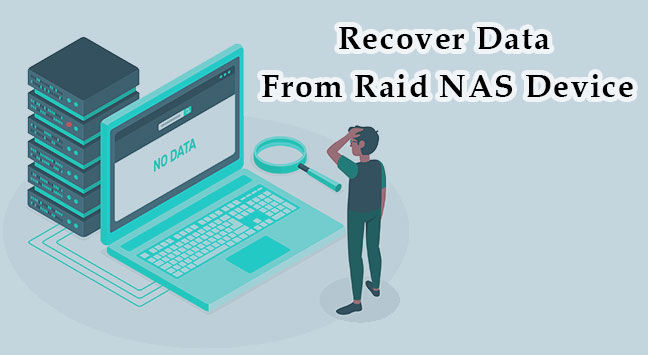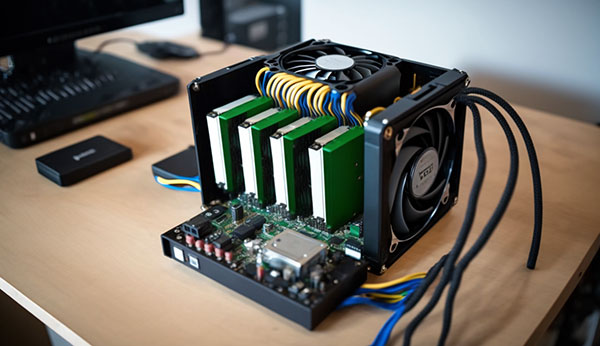
A failing RAID array on NAS Asustor AS1102T can instantly make the entire storage pool inaccessible. RAID 1 mirror inconsistencies, metadata corruption, failed resync operations, or unexpected disk dropouts are common triggers for data loss. In this article, we outline the most frequent RAID-related issues affecting the NAS Asustor AS1102T and explain how to recover data safely without risking overwriting or additional damage.

Technical Specifications of NAS Asustor AS1102T
The NAS Asustor AS1102T is equipped with 2 drive bays, allowing users to build a balanced storage environment tailored to home or small office needs. Depending on the installed drives, the model supports RAID 0 and RAID 1, providing either improved performance or mirrored protection. It also works with EXT4 or Btrfs, both of which influence how metadata and snapshots are handled—important factors during data recovery.
When restoring data from the Asustor AS1102T, the RAID layout, block order and filesystem type should be considered, as they determine how files can be reconstructed after disk failure or accidental deletion.
How Data Recovery Works on Asustor AS1102T
Two-bay NAS models like Asustor AS1102T store data either by splitting it between both disks (RAID 0) or by keeping a duplicate copy (RAID 1). Recovery becomes necessary when one or both drives stop working or when the file system is damaged. With RAID 0, even one failed disk makes the data unreadable, while RAID 1 usually preserves access unless both disks fail. To restore files, the drives must be removed from the NAS and scanned with dedicated recovery software.
Main Features of the Asustor AS1102T NAS
| Drive Bays | Supported Drives | Hot Swappable | Supported RAID | File Systems | Maximum volume |
| 2 | 2.5" or 3.5" SATA | ✗ | RAID 0, RAID 1, JBOD | EXT4 | 36 Tb |
The device is configured around a mirrored disk layout described as RAID 1 with on-disk volumes formatted as EXT4, managed by the appliance software ADM 4.x and running on hardware identified as Realtek RTD1296 with 1GB of main memory. In operational terms the controller/firmware layer presents the mirror as a single logical volume and the EXT4 filesystem hosts the user namespace. From a diagnostic standpoint the single most probable model-specific failure point is the Realtek RTD1296 platform: its failure or firmware corruption prevents the NAS from assembling or exporting the mirror even when both physical disks remain electrically functional.
When that platform or the appliance software can no longer present the array, the data becomes logically inaccessible because the logical volume and EXT4 metadata are not exposed to clients despite intact platters. Recovery outside the appliance therefore follows a principle consistent with the mirrored architecture: access a mirror member directly with a host capable of reading EXT4 and the on-disk layout, and either mount the filesystem or run EXT4 repair tools against that single copy. Because the configuration specifies RAID 1 and no SSD cache, one complete drive can ordinarily yield the logical filesystem for recovery independent of the NAS controller.
Easy Guide: How to Recover Data From a Two-Disk NAS
If your two-disk NAS (Asustor AS1102T) suddenly stopped working, lost its RAID, or became inaccessible, don’t panic — recovering your files is usually possible. This beginner-friendly guide explains every step clearly, even if you’ve never worked with RAID before.
-
Step 1 Turn off the NAS and remove the drives.
Make sure the device is completely powered down, then gently remove both disks. Keep track of which disk was “Disk 1” and which was “Disk 2” — the order matters when rebuilding RAID.
-
Step 2 Connect the drives to your PC.
You can plug them directly into SATA ports or use USB adapters. The important part: both disks must be connected at the same time so the recovery software can detect the RAID structure.
-
Step 3 Start NAS recovery software.
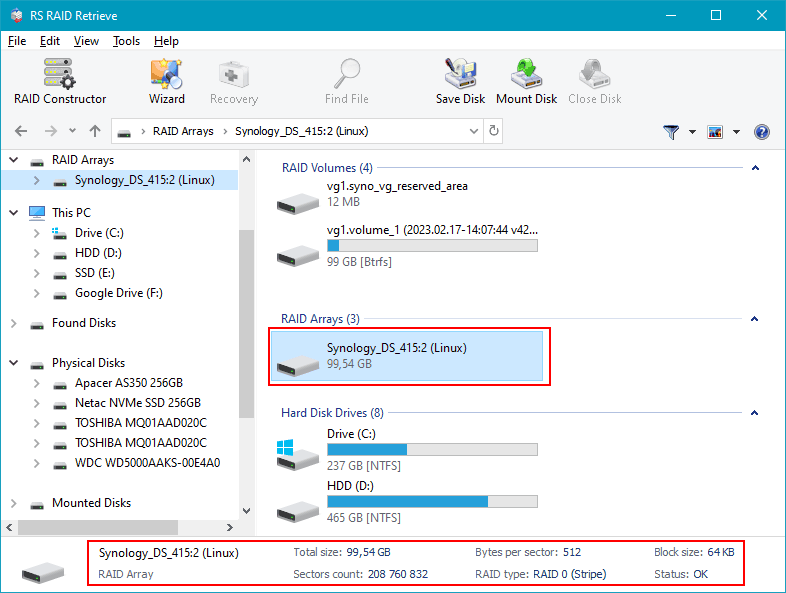
Open RS RAID Retrieve and let it scan the drives. The program will automatically search for RAID metadata and show the detected configuration at the bottom of the window.

Data recovery from damaged RAID arrays
Available for: Windows, macOS, Linux -
Step 4 Check the RAID configuration.
The software usually recognizes RAID 0 or RAID 1 automatically. If something doesn’t look correct, you can switch to manual mode and adjust block size, disk order and other parameters.
-
Step 5 Run a full scan.
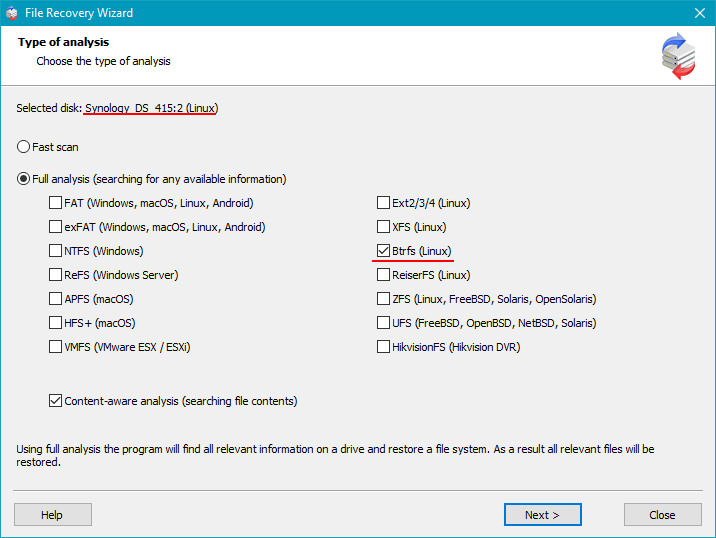
The deep scan rebuilds folders, detects deleted files and searches for lost documents, images and videos across all sectors of the disks.
-
Step 6 Browse the scan results.
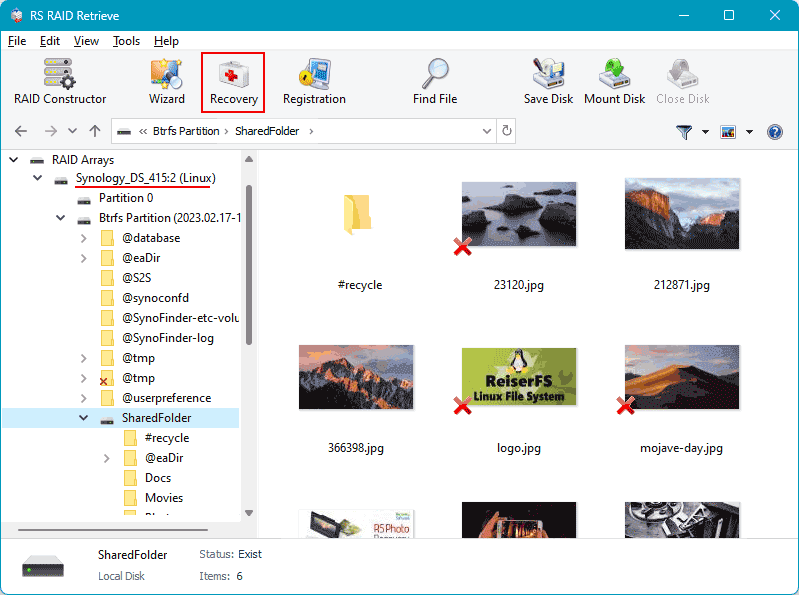
After the scan, you’ll see a tree of folders — similar to a regular file manager. Here you can check whether your photos, documents, videos and backups are available.
-
Step 7 Save the recovered files.
Choose a destination folder or an external disk. Don’t save the recovered data back to the original NAS drives to avoid overwriting.
Tip: If the NAS used EXT4 or Btrfs, deep scan significantly increases the chance of recovering damaged folders.
The main causes of data loss in NAS devices
Disk failure. Physical malfunction of HDD or SSD is a common reason for data loss, especially in 2-disk NAS systems affecting RAID0 and important for RAID1.
Human errors (deletion, formatting). Accidental deletion or incorrect formatting can result in inaccessible files, requiring prompt recovery actions.
Firmware or DSM update errors. Improper system updates may corrupt partition tables or file metadata, causing data loss.
Power problems and sudden shutdowns. Unexpected power interruptions during write operations can damage file systems and compromise RAID integrity.
Step-by-Step Guide: Why RAID Fails in 2-Bay NAS Asustor AS1102T and How to Identify the Causes
RAID failures in 2-bay NAS Asustor AS1102T often start with subtle symptoms that users overlook. By following a structured diagnostic approach, you can quickly pinpoint the underlying cause and reduce the risk of data loss. This tutorial walks you through the most common triggers and shows how to detect them in time.
Step 1: Check Disk Visibility in the NAS Interface. Log into the NAS dashboard and verify whether both drives are recognized. If one disk disappears or reports abnormal behavior, the RAID may already be degrading.
Step 2: Review Performance Trends. Slow file openings, delayed folder browsing, or drastically reduced transfer speeds often indicate that one disk is struggling to maintain synchronization.
Step 3: Inspect RAID Status Messages. Alerts like “Degraded,” “Crashed Volume,” or “Rebuilding Failed” usually mean that the filesystem and array metadata are compromised and require immediate attention.
Step 4: Examine Power and Temperature Logs. Power fluctuations, overheating, or constant fan noise can accelerate disk wear and trigger failure sequences in two-disk RAID setups.
- SMART warnings frequently highlight mechanical wear and imminent read errors.
- Metadata inconsistencies arise after failed rebuild attempts or firmware bugs.
- Disk desynchronization appears after improper shutdowns or unstable power supply.
Following these steps helps identify RAID failure early and increases the success rate of data recovery on NAS Asustor AS1102T devices.